TMP Master Class - Personal Injury Litigation

A Legal Framework Some States Kept, and Others Threw Out

For most of American legal history, a property owner's responsibility to you depended heavily on why you were there: an invitee, licensee, or trespasser, each owed a different level of care.

Then, in 1968, a California court decided in Rowland v. Christian that this framework was outdated and unfair, replacing it with a single standard: reasonable care under the circumstances, owed to nearly anyone on the property regardless of their technical status.

One Ruling, a Nationwide Ripple Effect

That decision reshaped premises liability law well beyond California's borders. Some states adopted a similar unified approach. Others kept the traditional categories largely intact.

What That Split Means for Your Case

The result today is a genuine divide: in some states, your classification as a visitor is a central issue in your case, while in others, it barely comes up at all.

If you or someone you love was injured on someone else's property anywhere in the country, we know exactly which framework applies where your case is filed, and we build the claim to fit it rather than assuming one national rule covers everyone.
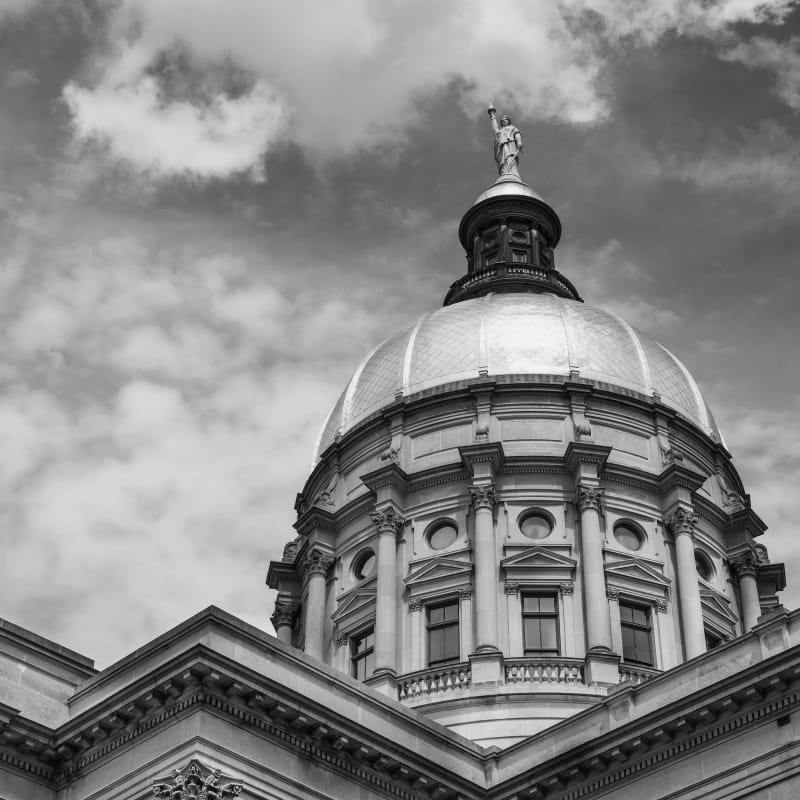
top of building's roof

Why Choose Our Firm

Premises cases live or die on details that vary by jurisdiction, and getting that framework wrong from the outset can undermine an otherwise strong claim.

We Don't Assume One State's Rules Apply Everywhere

Our attorneys are licensed across multiple states and know exactly which duty-of-care framework a given property owner is actually held to before we ever file a claim.

We Move Before the Evidence Disappears

Surveillance footage, maintenance logs, and incident reports have a way of vanishing quickly once a property owner realizes a claim is coming. We request them immediately.

Background media

Monumental Victories Nationwide

$32.5 Million Auto Defect Verdict

Florida

$16 Million Non-Fatal Drowning Judgment

Georgia

$12 Million Nursing Home Negligence Settlement

Georgia

$11 Million Negligent Security Settlement

Clark County, Nevada

$10 Million Industrial Accident Verdict

Jefferson County, Alabama

$9 Million Wrongful Death Medical Malpractice Verdict

Alabama

$2,665,000 Settlement

Atlanta, Georgia

The Business Side of Premises Claims Tells Its Own Story

Property owners and their insurers have watched this category of claim grow more expensive over time, which shapes how aggressively they tend to fight them. Reporting on Verisk's 2025 general liability analysis found that average claim severity climbed 45 percent between 2020 and 2024, from roughly $70,000 to $101,000 per claim.

That rising cost is part of why insurers scrutinize these claims closely from the very first report, looking for any gap in the evidence or the legal theory before a claim gets anywhere near a fair valuation.

The Range of Situations This Covers

  • Slip, Trip, and Fall Incidents: Wet floors, damaged flooring, and poor lighting remain the most common sources of these claims.
  • Negligent Security: Inadequate lighting, broken locks, or absent security staff that allow a foreseeable crime to occur.
  • Animal Attacks: Injuries from a dog or other animal on someone else's property.
  • Swimming Pool Accidents: Unsecured pools pose a particular risk to young children, regardless of whether they were invited onto the property.
  • Elevator and Escalator Failures: Injuries tied to deferred maintenance or mechanical defects.
  • Toxic and Environmental Exposure: Mold, asbestos, or other hazardous conditions that a property owner failed to disclose or address.
Banner media
man falling down the stairs holding his lower back

Why the Underlying Framework Shapes Your Whole Strategy

In states that still use the traditional categories, establishing that you were an invitee, rather than a licensee, can be the difference between a property owner owing you an active duty to inspect for hazards and owing you almost nothing at all.

In states that have moved to a unified reasonable care standard, that particular fight disappears, but the analysis shifts toward a broader set of factors, like foreseeability and the burden of preventing the harm.

Either way, understanding which analysis a court will actually apply changes what evidence matters most and how a case gets framed from the first demand letter onward.

Common Injuries From Premises Liability Incidents

  • Fractures, particularly hip and wrist injuries, in falls
  • Traumatic brain injuries from falls or violent incidents
  • Spinal cord injuries
  • Lacerations and puncture wounds
  • Infections and complications from animal bites or unsanitary conditions

Where These Cases Most Often Arise

Retail stores, restaurants, and hotels generate a steady share of premises claims, largely because of the sheer volume of foot traffic moving through spaces with spills, uneven surfaces, and shared common areas. Apartment complexes and other rental properties contribute their own share, often involving questions about who, the landlord or tenant, actually controlled the hazard in question.

Who Can Be Held Liable

  • The property owner, for failing to maintain safe conditions or address known hazards
  • A property management company, when it was responsible for inspections and upkeep
  • A commercial tenant, for hazards within a space under its control
  • A maintenance or security contractor, if their work or absence contributed to the injury
  • A government entity, when the property involved is publicly owned, is subject to that state's own notice and claims procedures
Background media
Andrew Moak

What Damages May Be Available

Premises liability victims can generally pursue both economic and non-economic damages, with punitive damages available in some states for especially reckless conduct.

  • Medical Expenses: Emergency treatment, surgery, and any ongoing care tied to the injury.
  • Lost Wages and Earning Capacity: Income missed during recovery and any lasting effect on your ability to work.
  • Pain and Suffering: Compensation for what the injury cost you physically and emotionally, beyond the medical bills themselves.
  • Loss of Enjoyment of Life: Compensation when an injury limits activities or independence you had before.
  • Wrongful Death Losses: Funeral costs and the loss experienced by the surviving family in fatal incidents.

What to Do After a Premises Liability Injury

  • Seek medical care right away, even if the injury seems minor at first glance.
  • Report what happened to the property owner, manager, or staff on site.
  • Document the hazard itself, since conditions like spills or broken equipment often get fixed or removed quickly.
  • Get contact information from witnesses, including anyone who works at the property.
  • Be careful what you say to the property's insurance company, and hold off on any recorded statement until you've talked to an attorney.
  • Contact an attorney promptly, so evidence can be requested before it's lost.
Logo media

Frequently Asked Questions

Does it matter whether I was invited onto the property or just there on my own?

It depends on the state. In states that retain the traditional visitor categories, your status can significantly affect what you need to prove. In states that have adopted a unified reasonable care standard, it matters less, though the facts of why you were there still play a role.

What if my child had been injured by an attractive hazard, like an unsecured pool?

Many states extend special protection to children in these situations, even when the child wasn't technically permitted on the property, since children often can't be expected to recognize certain dangers the way an adult would.

How do I find out which legal standard applies to my case?

That depends on where the injury happened, and it's exactly the kind of question worth raising with an attorney early, since it shapes the entire direction of the case.

Do I have to pay anything up front?

No. We take premises liability cases on contingency, which means no upfront legal fees, and we only get paid out of a successful settlement or verdict.
Contact us media
Accessibility: If you are vision-impaired or have some other impairment covered by the Americans with Disabilities Act or a similar law, and you wish to discuss potential accommodations related to using this website, please contact our Accessibility Manager at (888) 488-9616.
Contact Us